|
|
|
Thursday, March 28, 2012| | | | Vogue 8720. If I were making a raincoat this season, I'd use this pattern, a classic man's trench coat that can easily be adapted for women. A trench coat is THE spring coat of the moment whether you do in a rainwear fabric or linen. |
Pouring rain for days...it IS Oregon after all! And the prediction is for a cold wet spring.
Raincoat season.
I've been making a raincoat, a prototype for a future Vogue pattern, so I can't show the style or design, but I do want to share a couple of things I've discovered as I sew on a rainwear fabric. When I make prototypes for a new pattern, it is a fun and sometimes frustrating process. Discoveries and aha moments usually come when there is a problem to solve. I had already cut and partially sewn one sample when I decided that the fabric was not right, color too flat, the laminated linen better suited to another style. So I found another fabric, a rainwear from our collection, and cut another coat. This time the fabric had more life and I liked it better, but....
There were severe issues.
One, was that as I worked with the fabric, which has a water repellant (but not water proof) coating, it changed from a smooth fabric to one with overall crinkles. On the bolt, the fabric is smooth, a dark green bronze color which I like a lot. BUT in sewing, handling, pressing, it morphed into an overall crinkled texture. The fabric can't be pressed on the right side, though it can be pressed with care on the back side. I tried to press each section smooth as I worked on it, but it kept reverting to the overall crinkle. After getting it to a certain point where I could hang it on a hanger, I left it overnight and when I came back the next morning, realized that the overall crinkle is not a bad thing. In fact, looks just like expensive ready to wear.
I solved the problem of pressing on the right side by using a muslin press cloth, that worked like a charm for touch up pressing at seams and edges. | | |
| |
| | Problem Solving and Solutions
While there was no problem stitching on the fabric on the wrong side, when I went to stitch on the right side, the fabric is a bit sticky, so the foot drags and the stitches are wonky. Also, ripping is a problem because the stitches make holes.
Another problem kept coming up....how, how am I going to put buttonholes in this fabric? | | | Teflon Foot saves the day | | I bought a teflon foot a few months ago when I was working with leather, and Jonothan at TopStitch, my local Bernina dealer advised me to get the narrower version because it creates less drag, and it works like a charm, here I'm stitching in the ditch and the stitching is fluid and clean. |
| | | |
|
|  |  |  | | Buttonhole Dilemma Solved with a Design Solution | | I cut & serged & stitched rectangles of a vintage fabric and centered them over the buttonhole placement markings. The look works it solved the buttonhole dilemma with an improved & inventive design solution. |
| | | |
|
|
|
| |
| | Monday, March 25, 2012
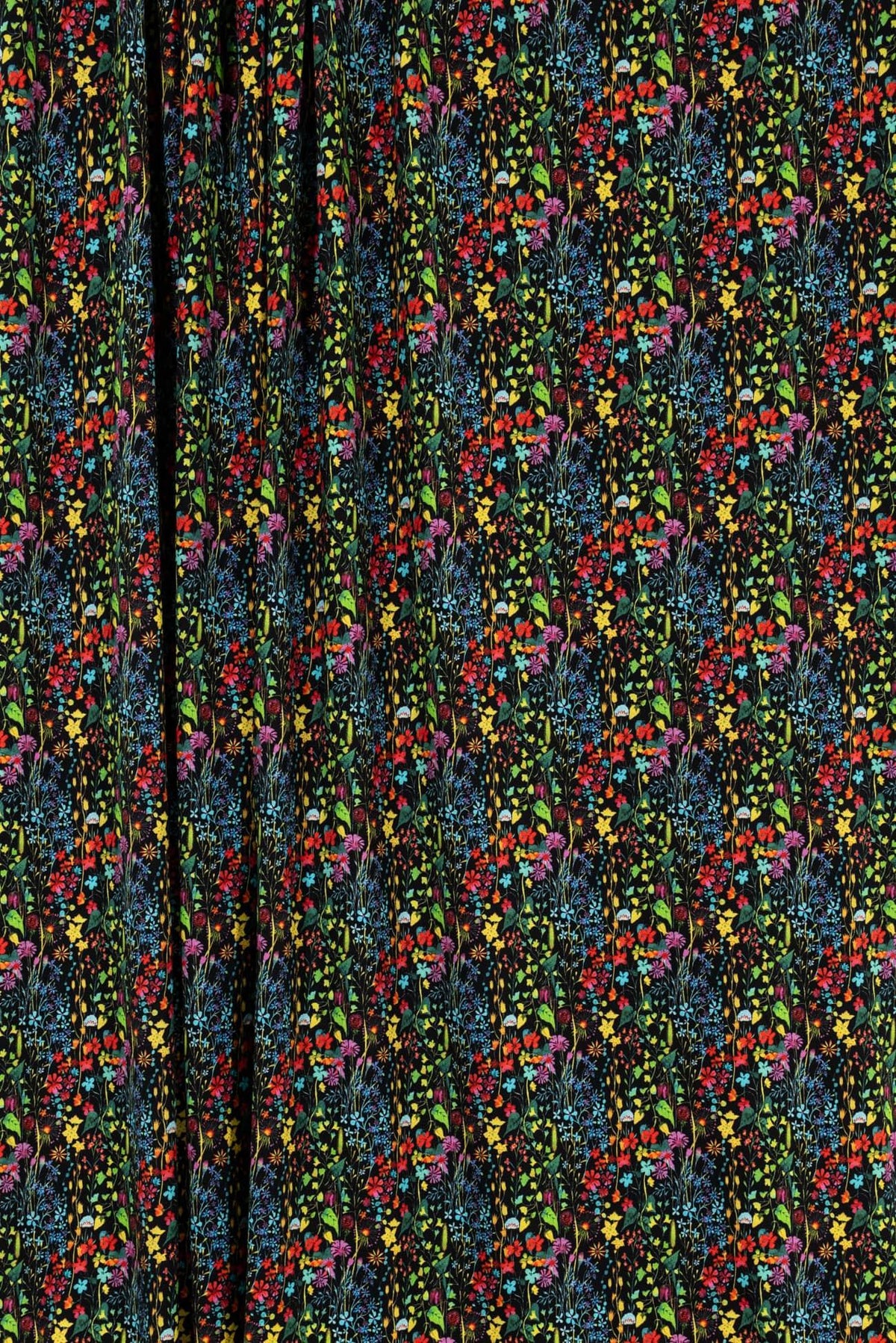
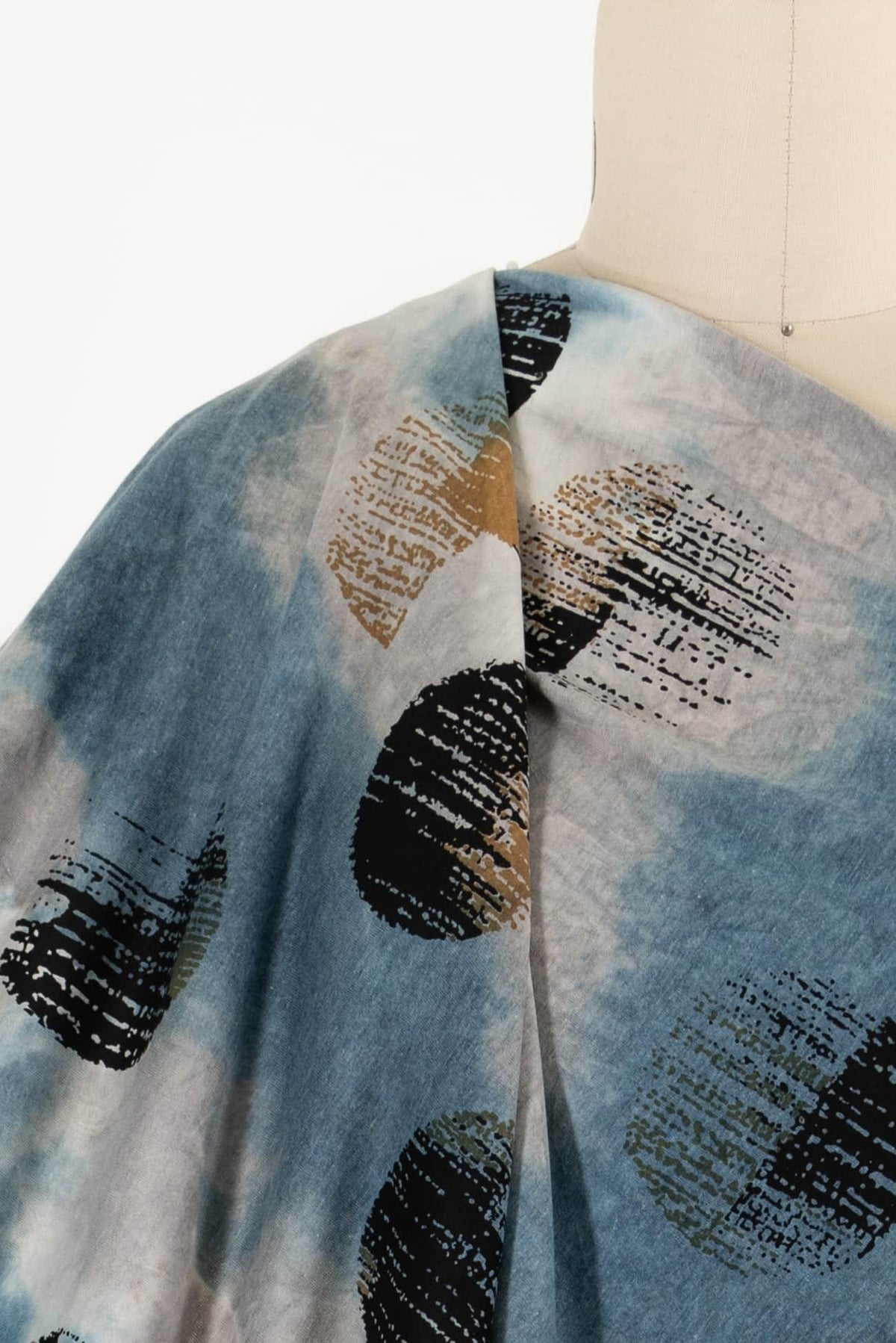
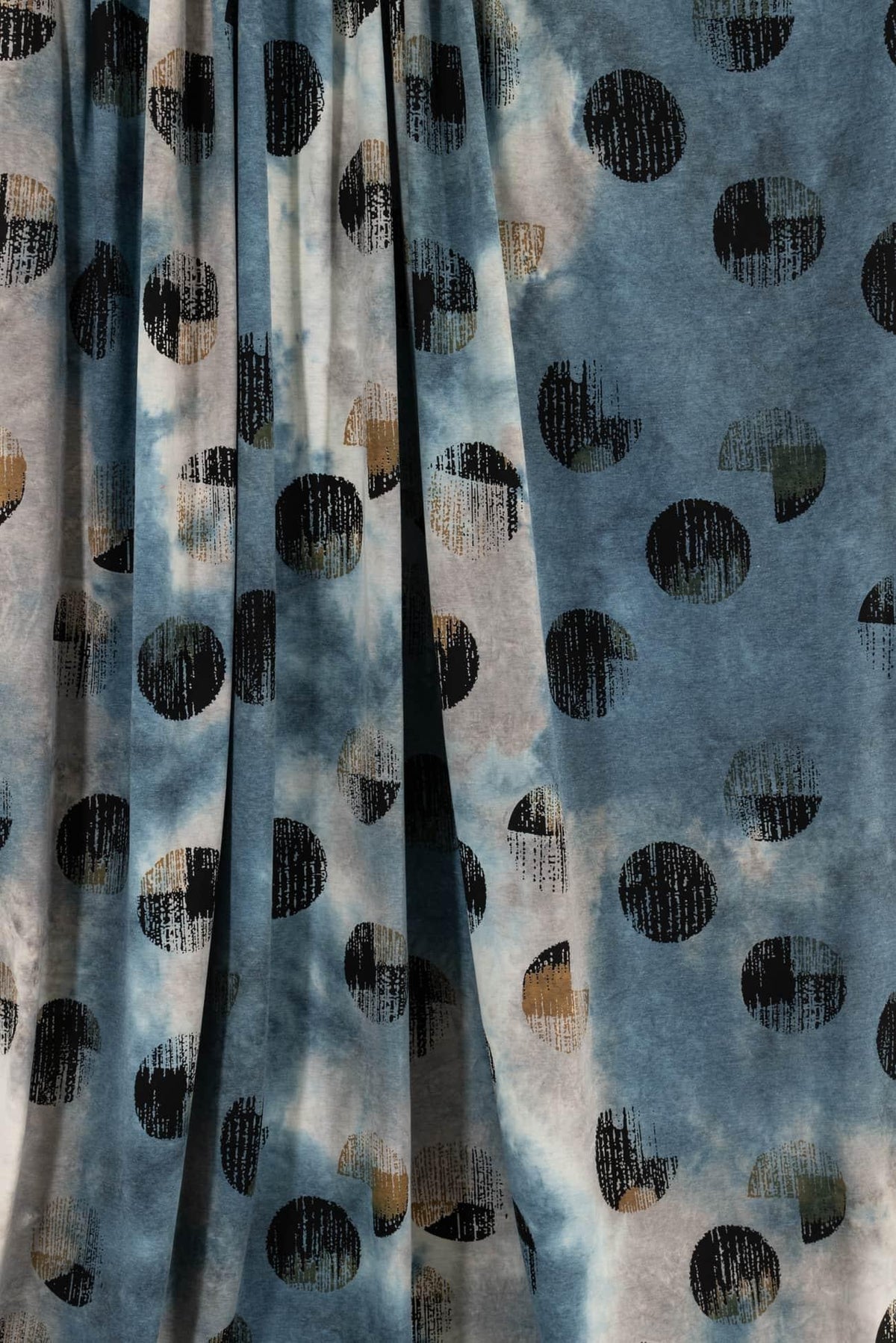
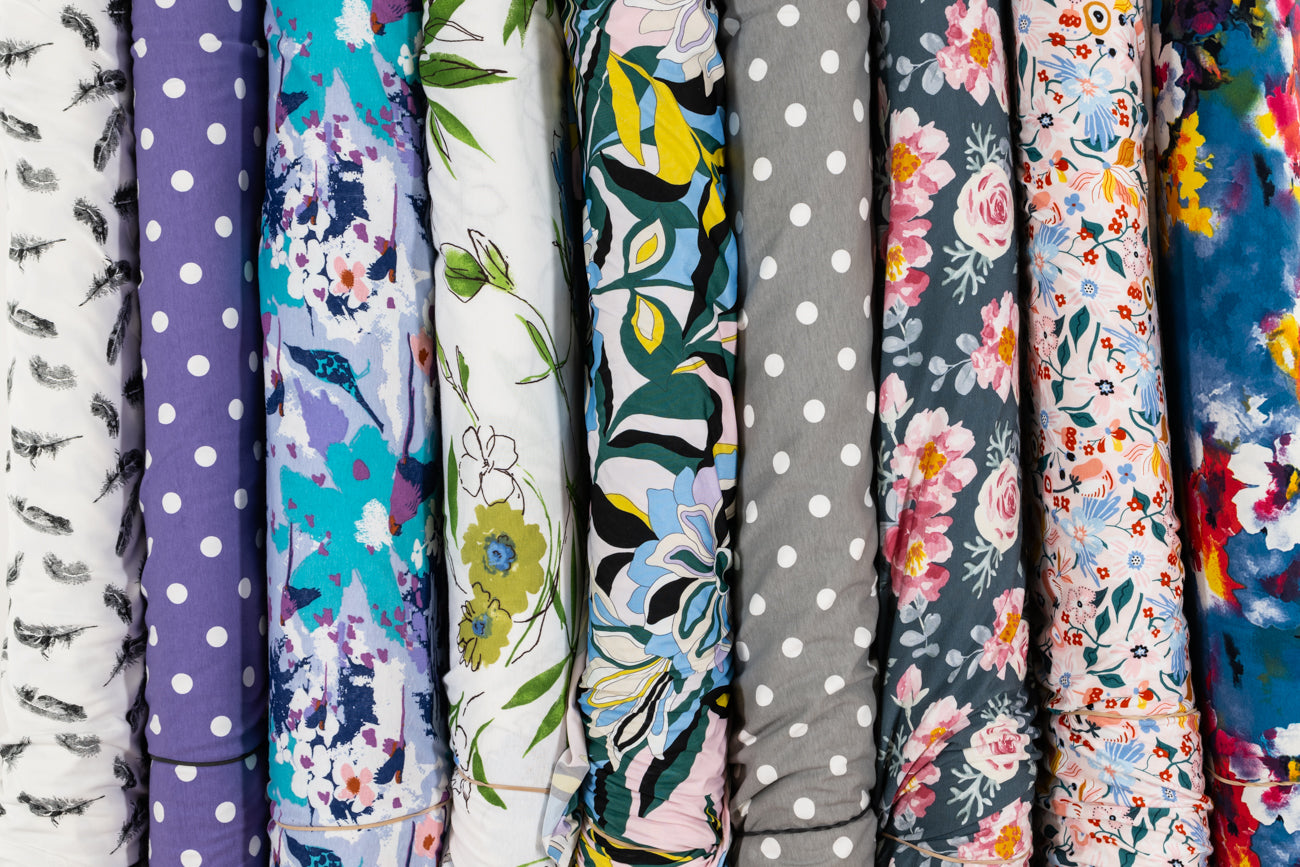
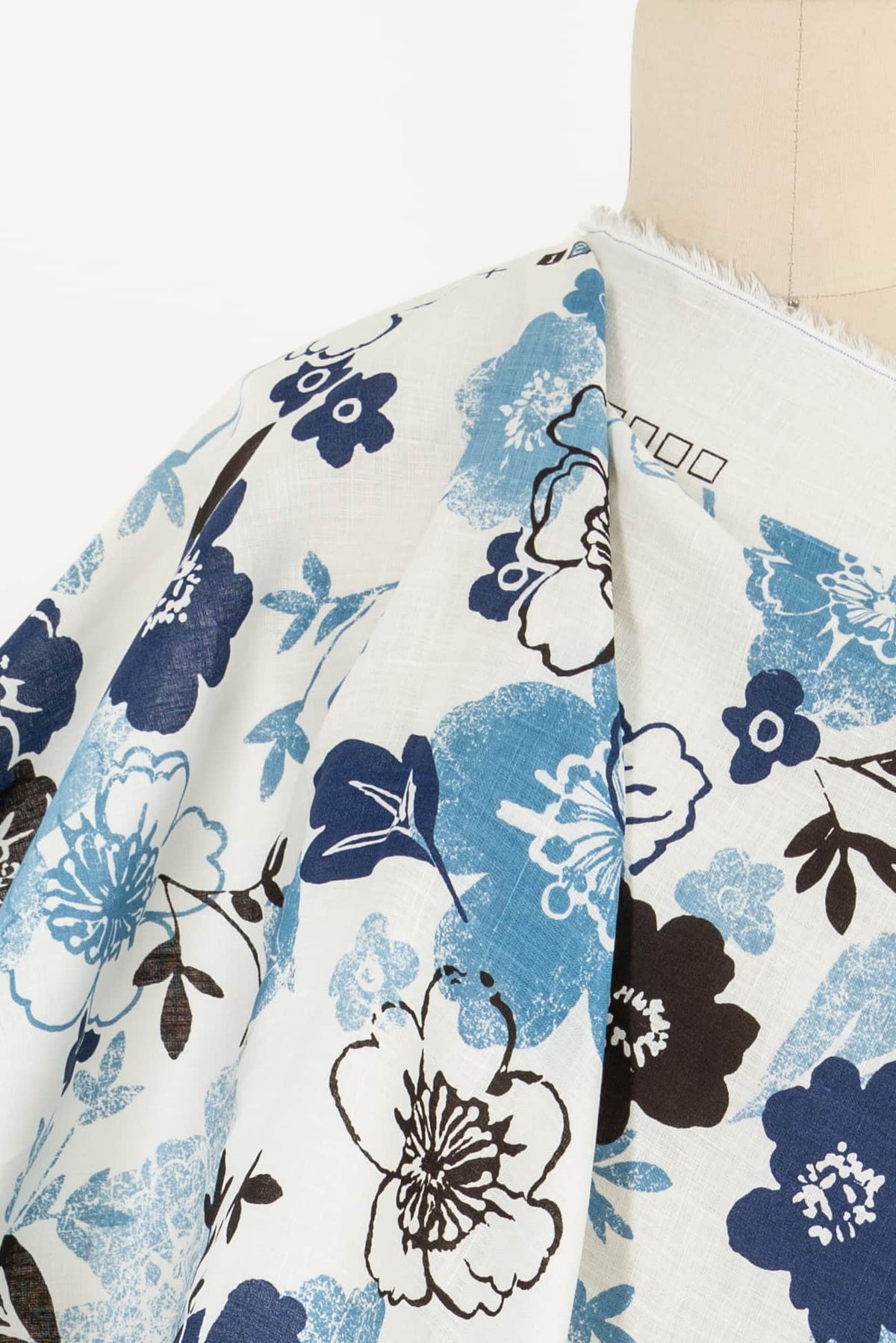
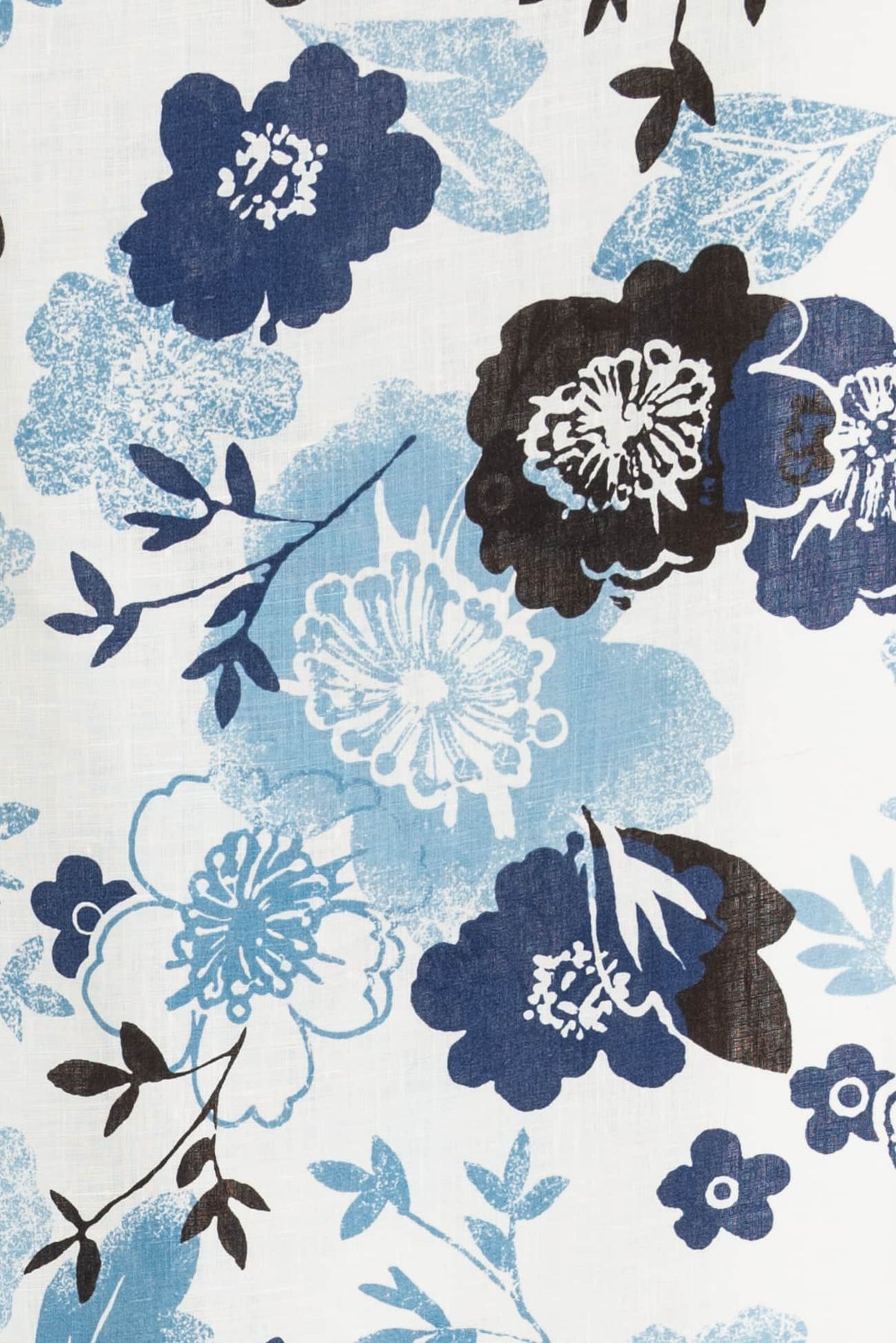
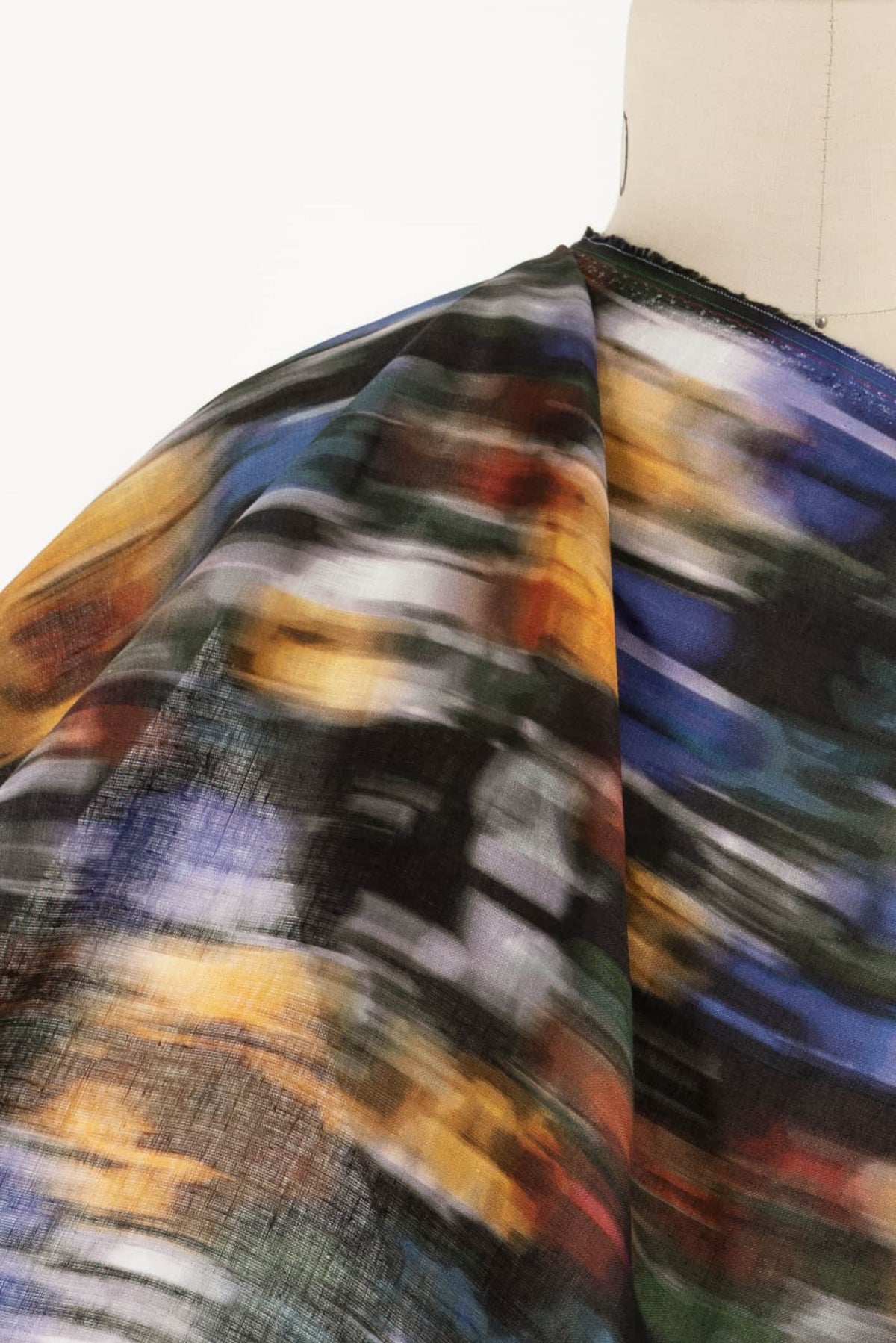
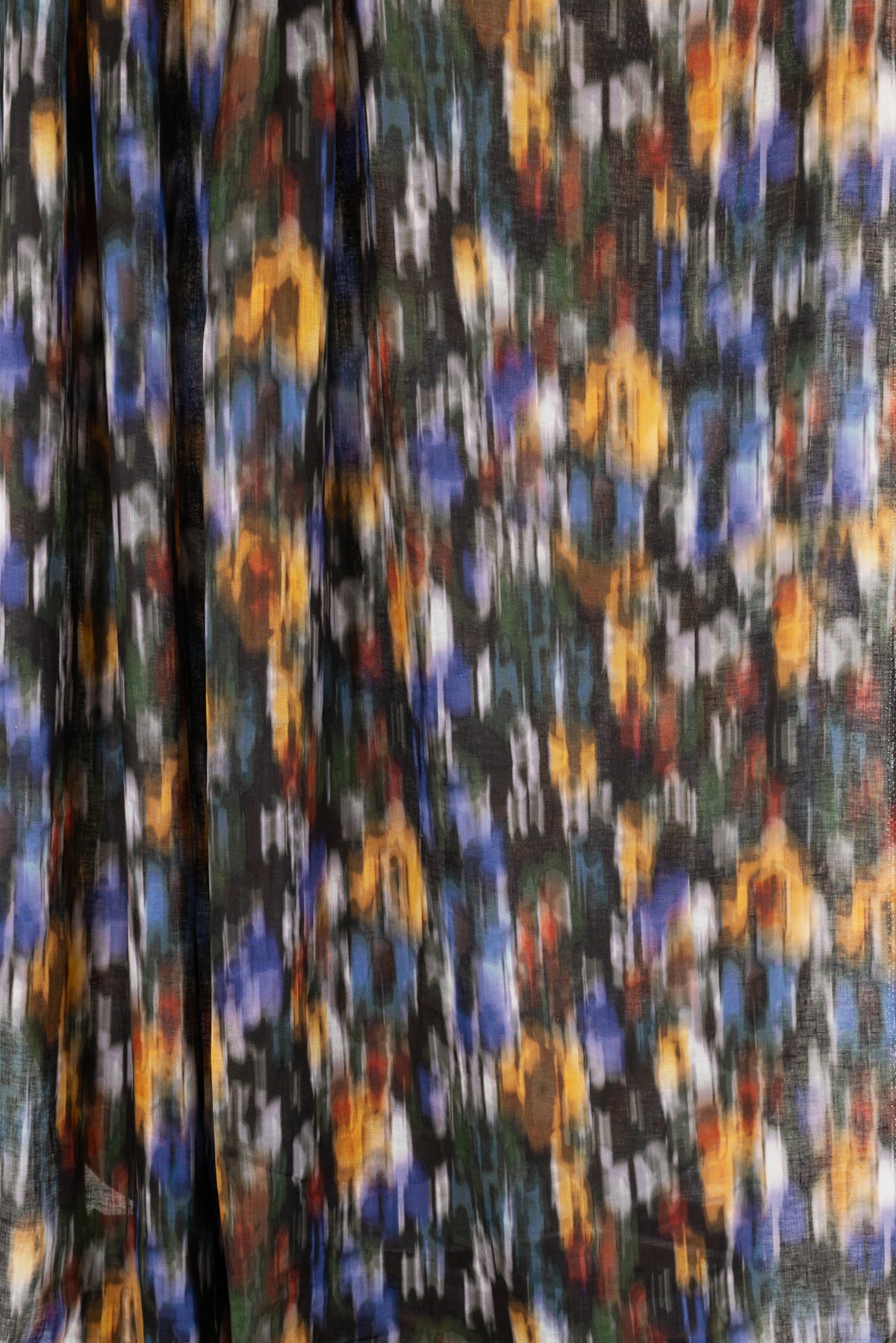
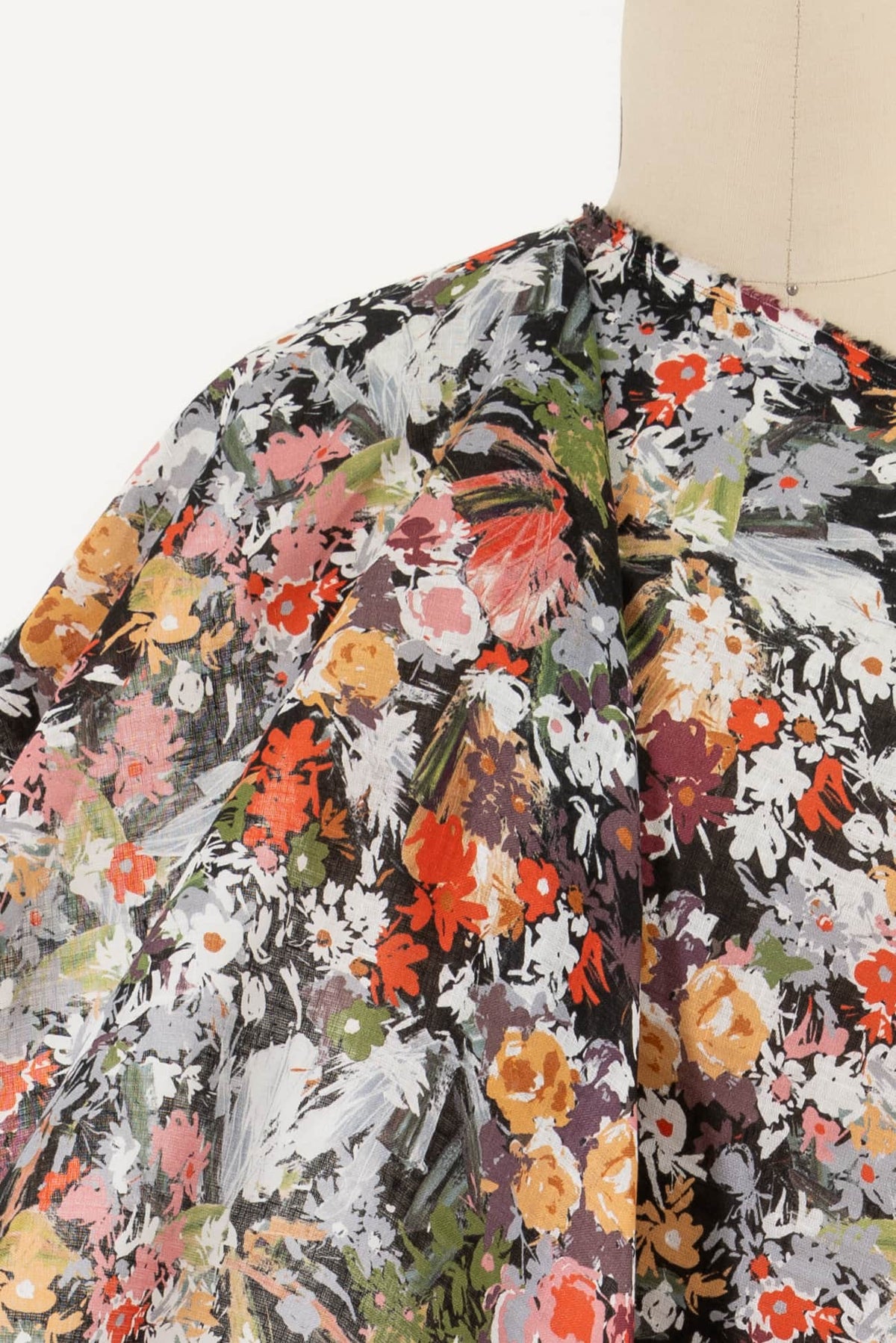
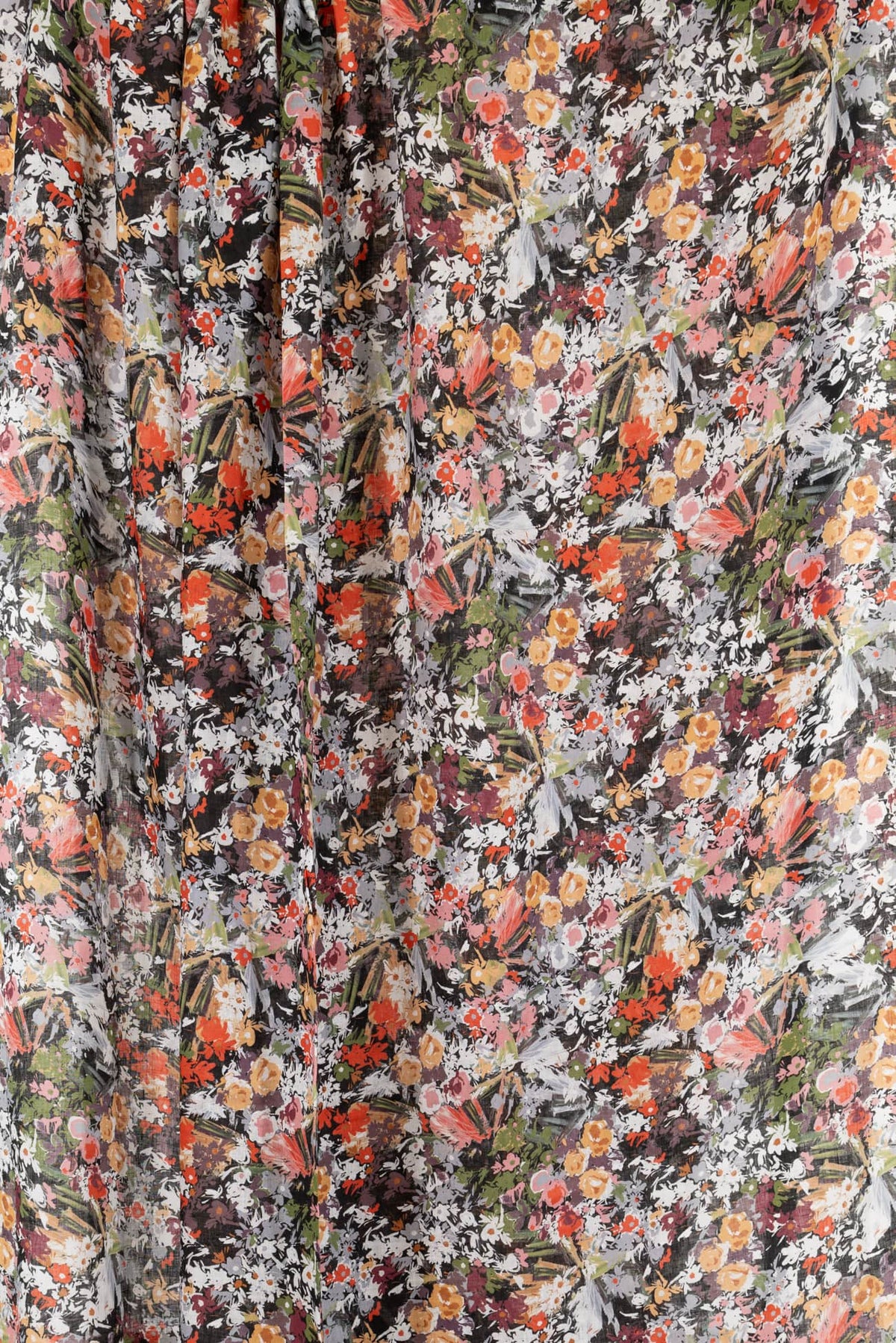
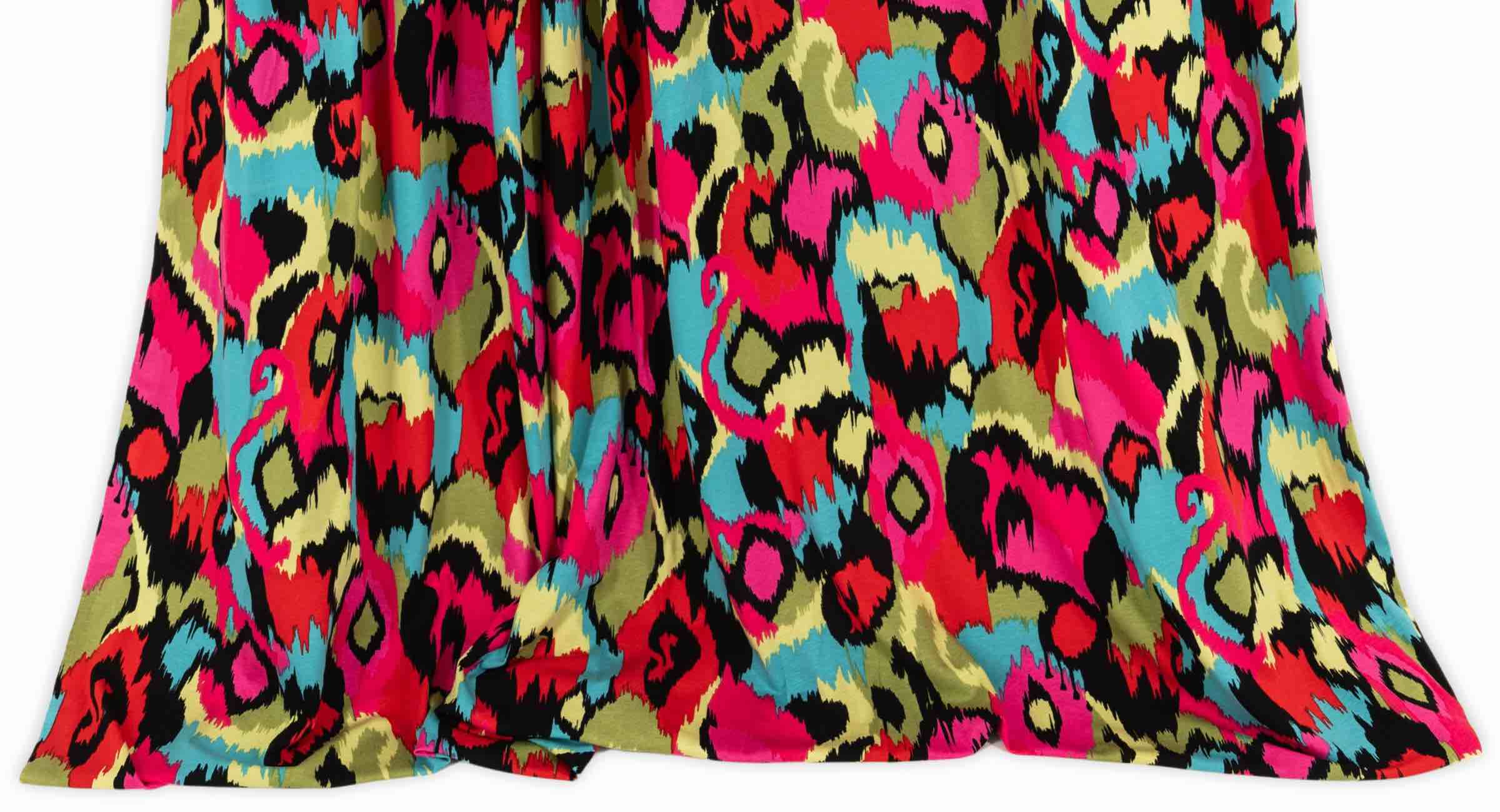
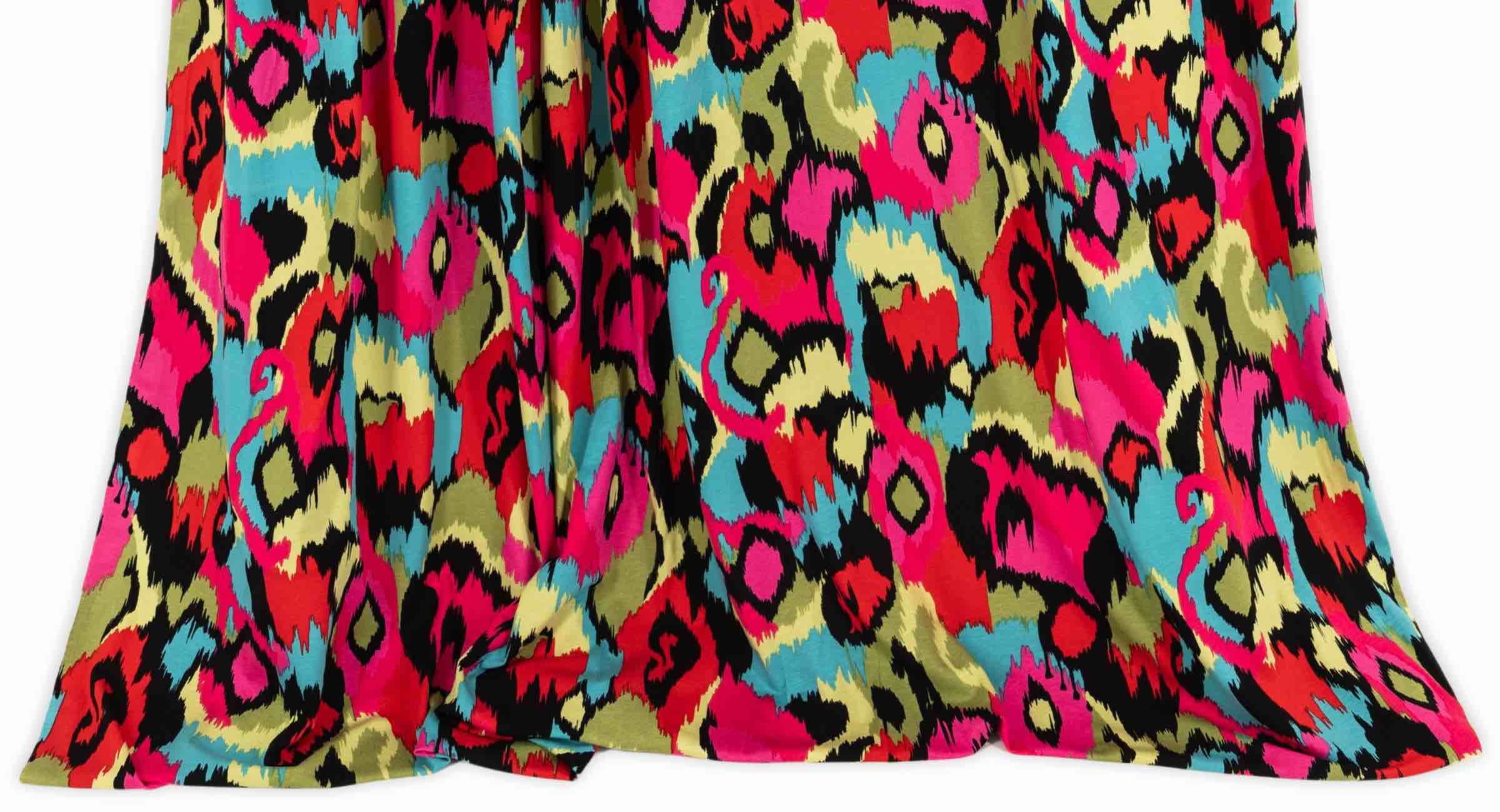
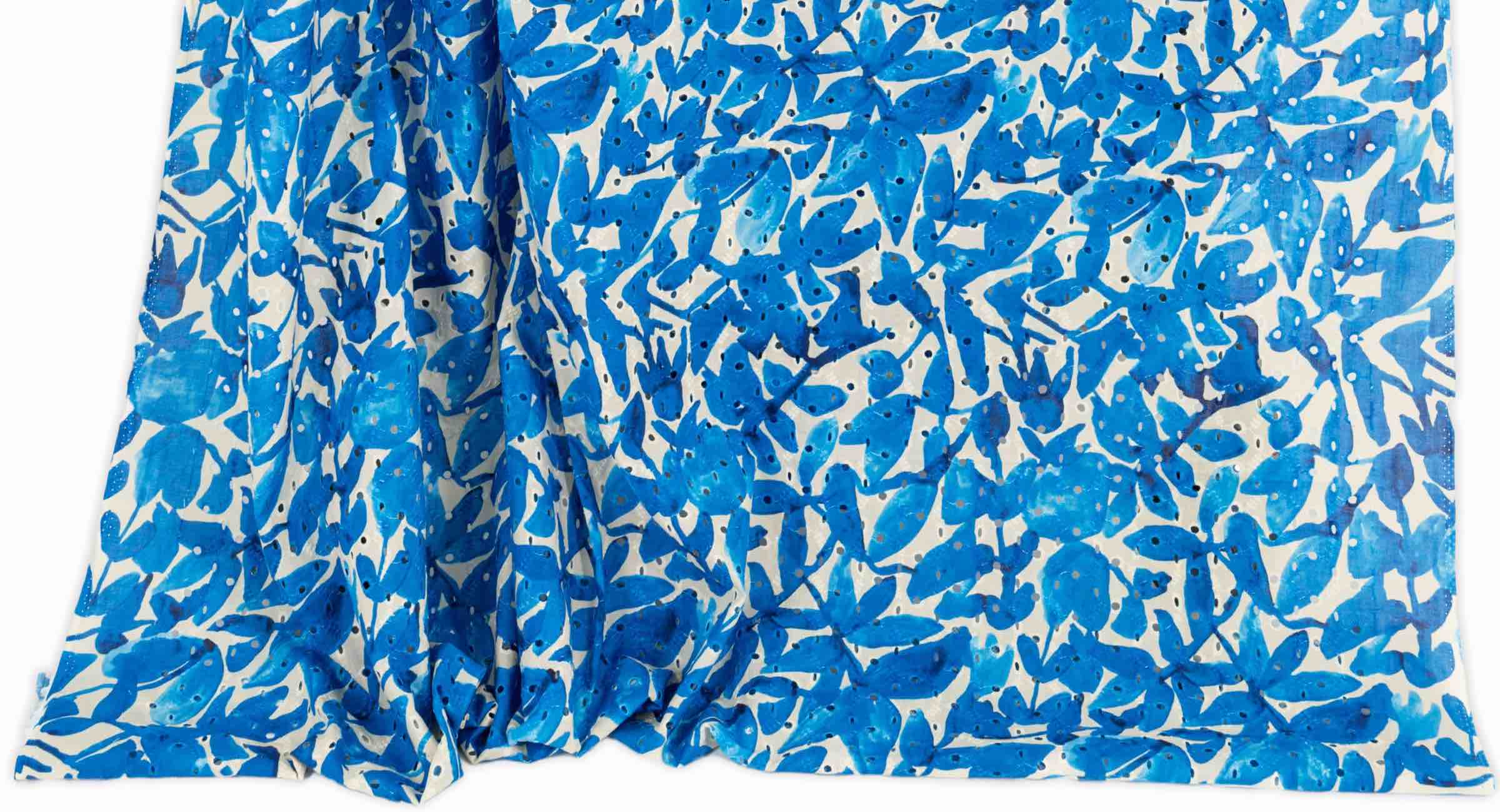
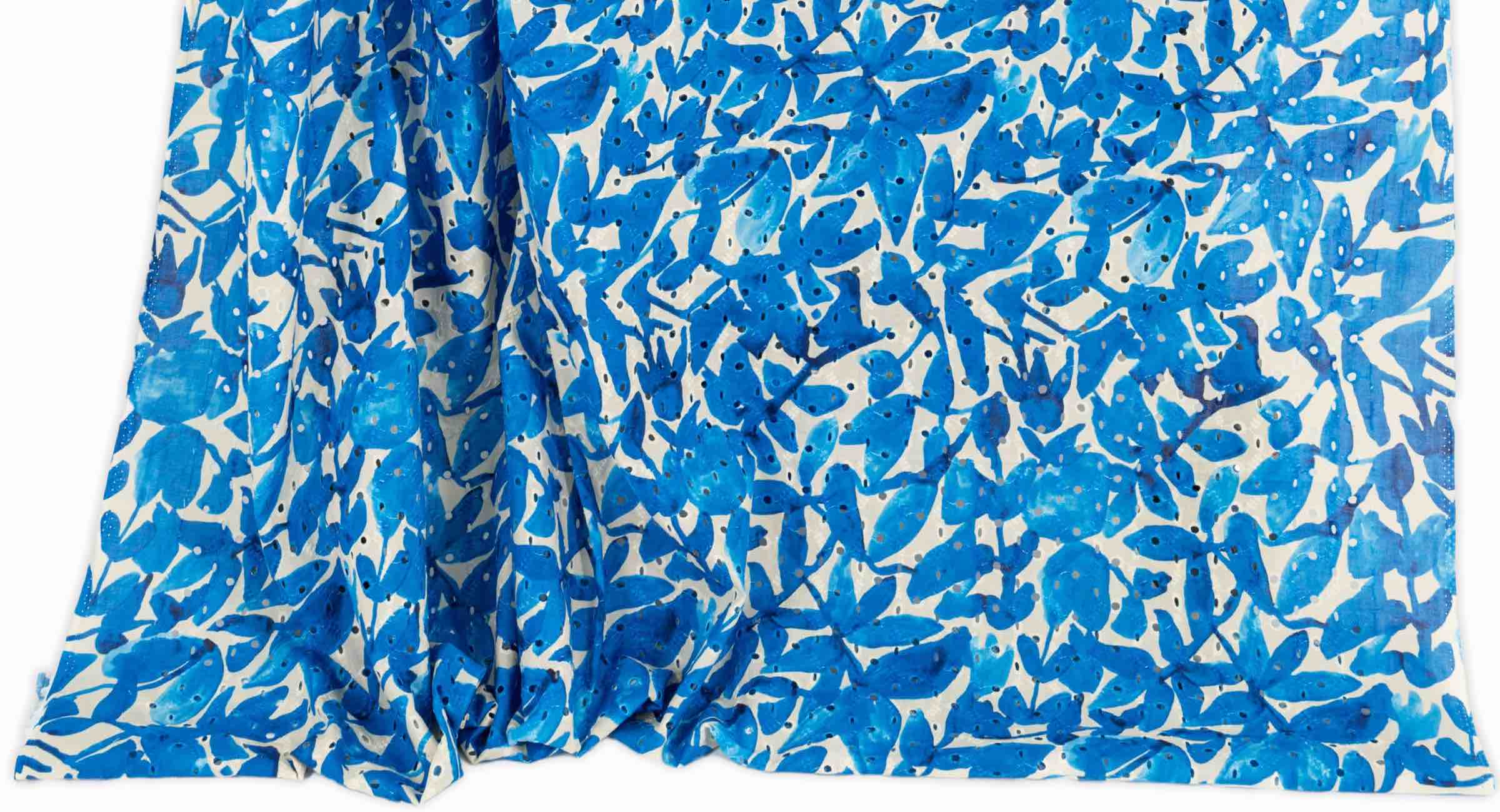
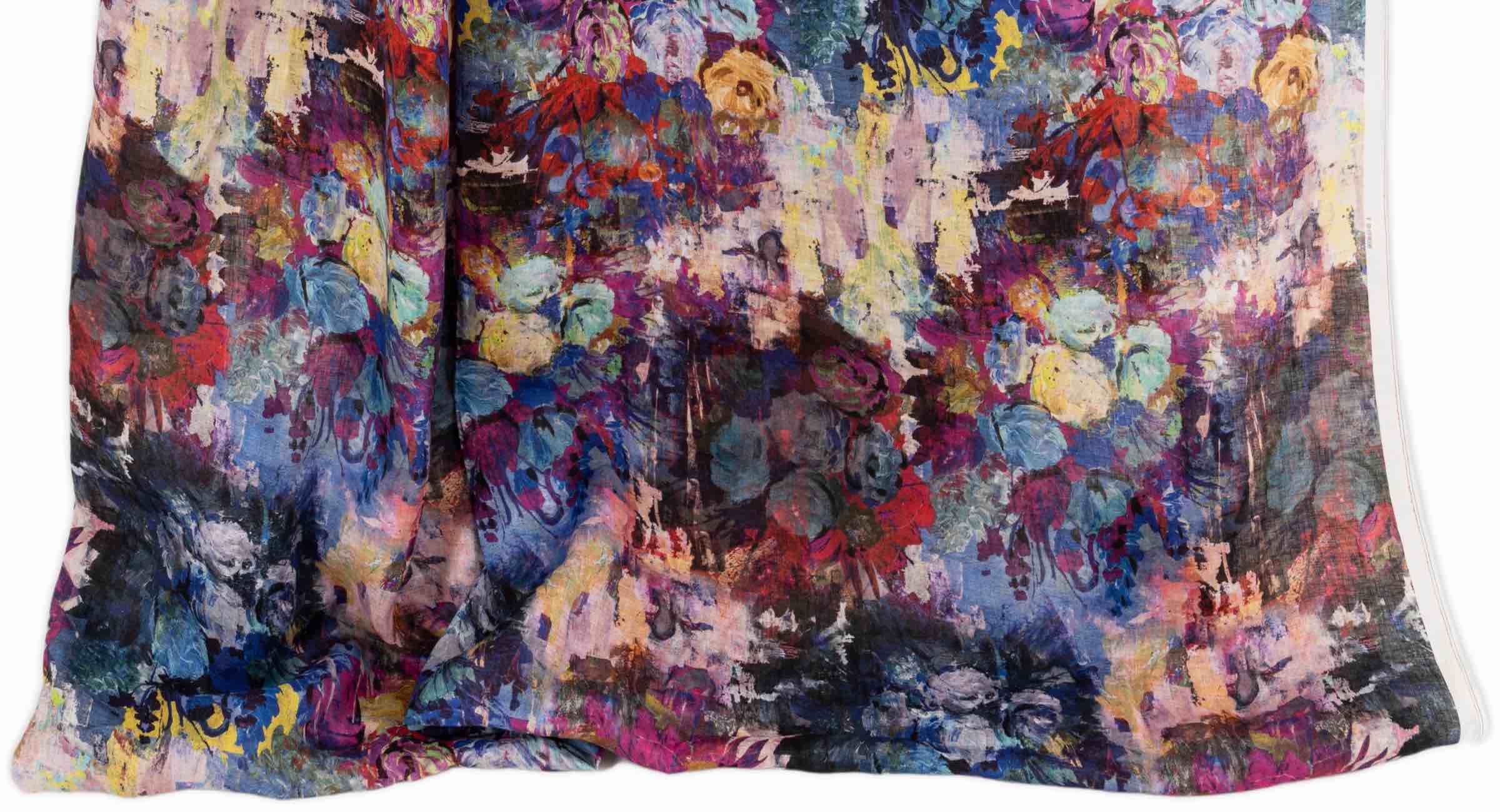
| | | People asked for prints and for color, here I'm holding a stunning French cotton print. Prints can be tricky, and I am very picky about choosing only the best designs...my criteria is always, 'would I use this for myself'....and I keep in mind buying a balance of warm and cool toned colors. | |
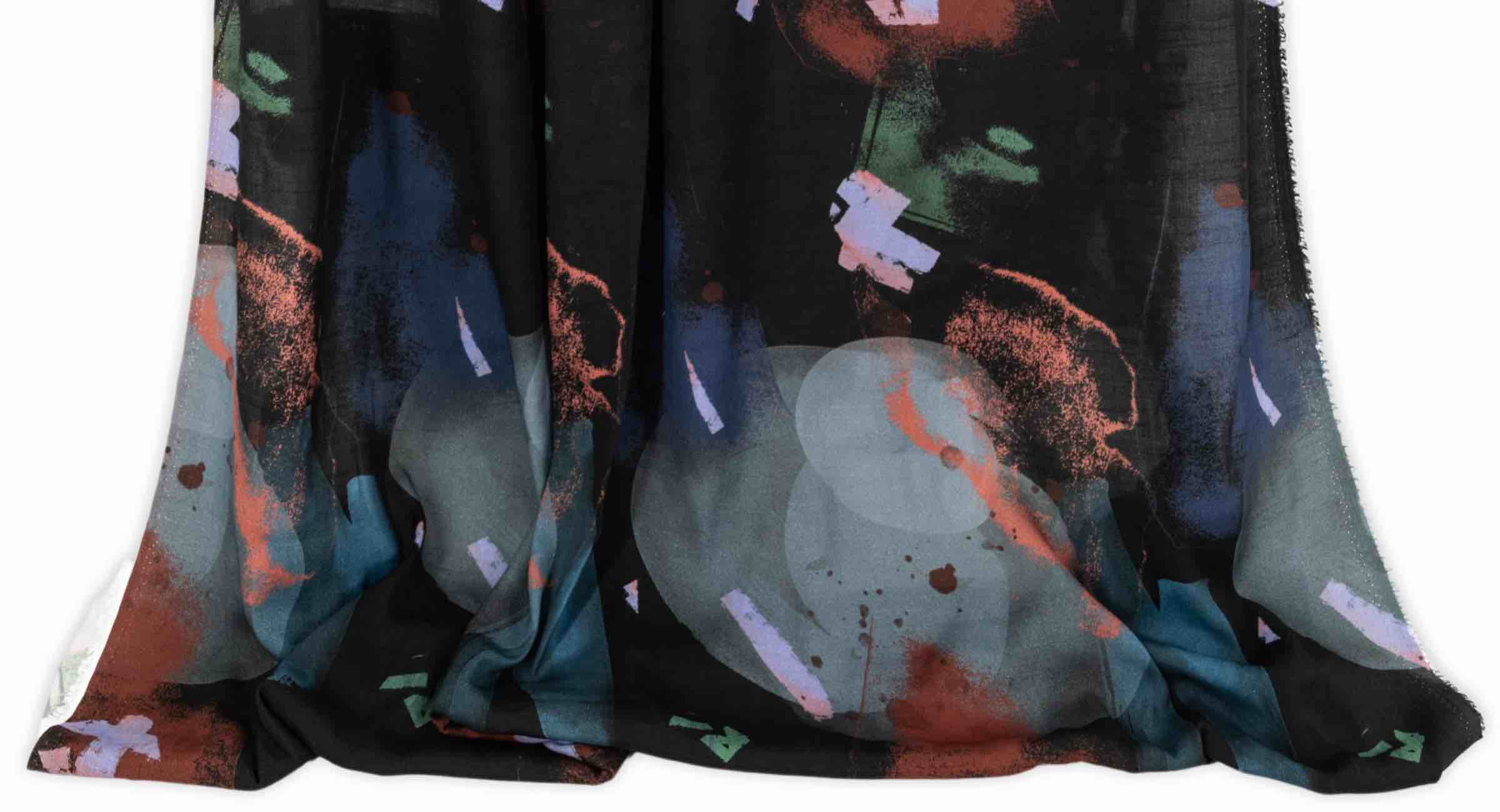
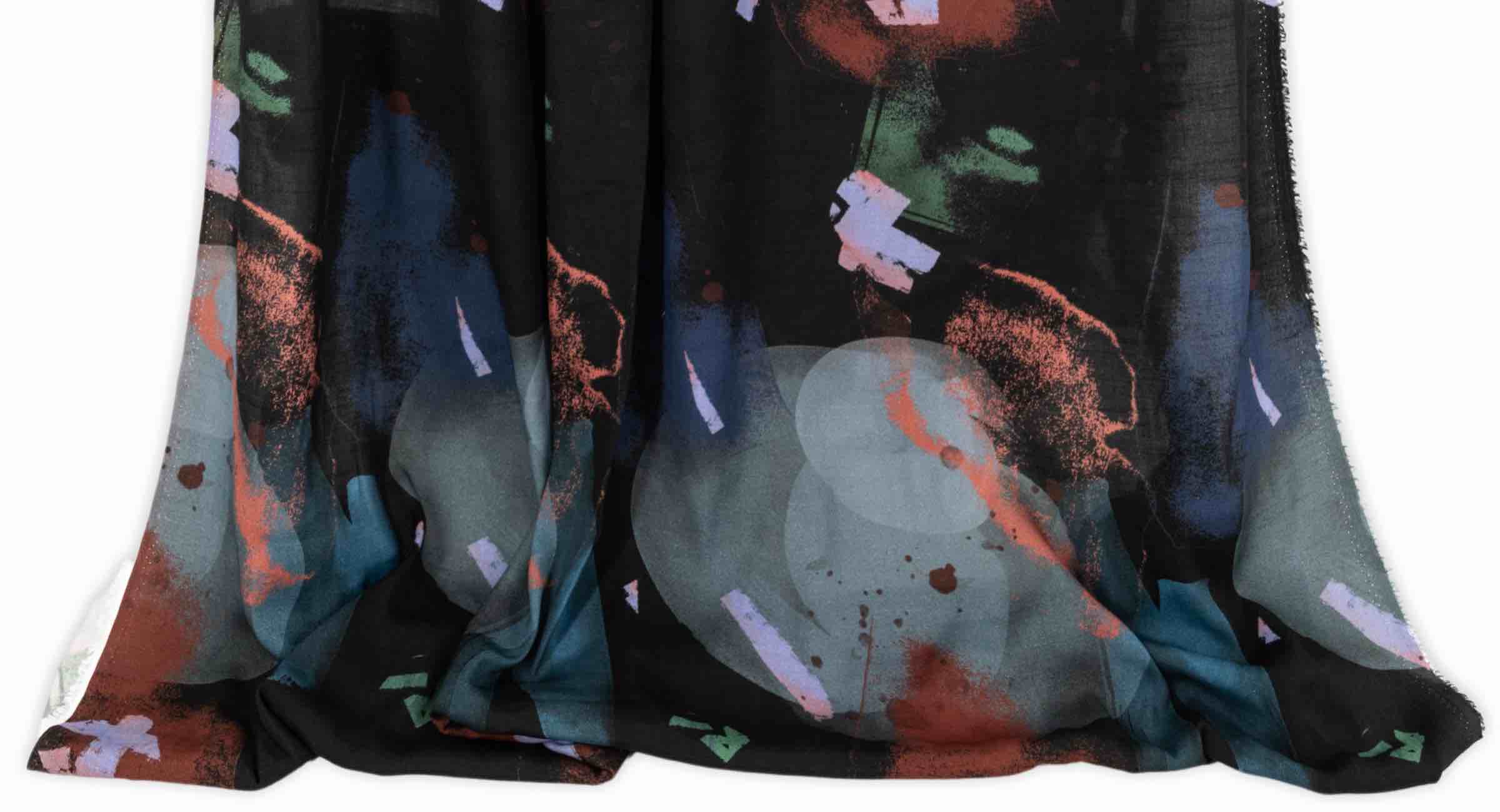
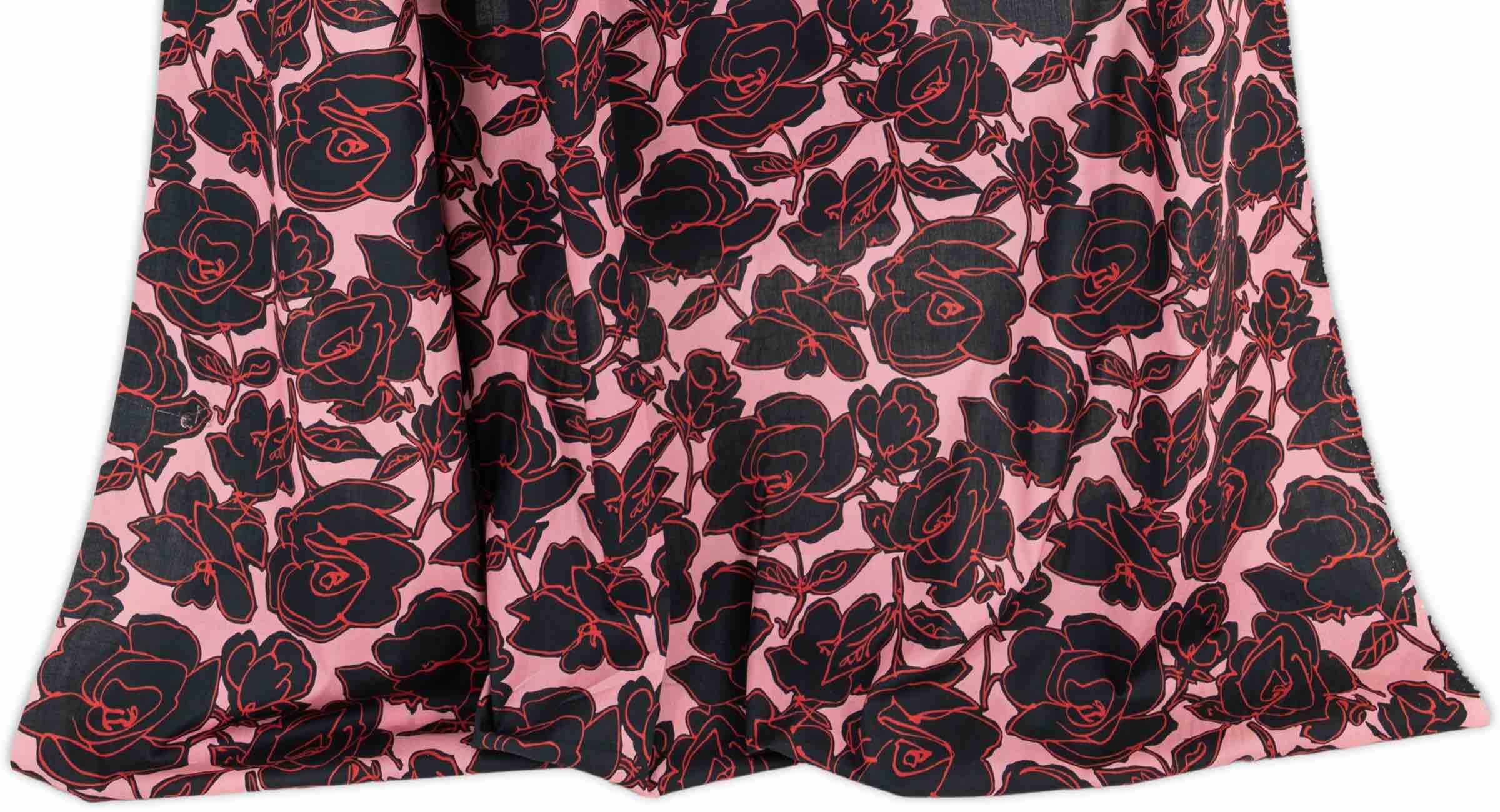
A peek at what is coming over the next weeks. The swatches below represent just the tip of the iceberg, these are the samples of fabrics where we bought all that was left. While we were in Las Vegas I ran a fabric giveaway on Facebook, ($100 fabric + free shipping), and asked for feedback on what people are sewing and what kinds of fabrics they are seeking right now.
It was very very helpful! The winner is Jan Kemmer Hutchings who wrote a poem.
Jan's winning poetic post:
I'd like a cotton--a medium weight knit.
I hope it won't roll
for a really great fit.
I like bright, bold colors
in solids or a print.
And finally I don't want it
to cost me a mint. | | | | coming soon...... | | |
| |
| Sunday, March 25, 2012
NOT Paris
Back home from a fabulous fabric buying trip to Las Vegas. In the photo, view of the blatantly fake Eiffel Tower from our restaurant table. Katherine and I found SO many beautiful fabrics, and the suggestions from our friends and followers on FaceBook really helped as we made our selections. New arrivals will be coming this week and in weeks to come.
On the list: lots and lots of color, linens, stunning prints including a few upper end digital prints, lots of knits including collections of prints from France. Armani and Prada fabrics. A few of the new nylons. Basics like cotton/lycra and bamboo/lycra knits in colors. I'm breaking out of my own basic black/gray wardrobe and going for more color, so stay tuned.
I don't gamble, but when I am in Vegas I like to head over to Barney's and snoop shop. We went after we had done most of our buying and were heartened to see similar fabrics to those we ordered being used in the very very expensive clothes. It is fun to see how the designers are using sewing techniques. For instance, Rick Owens is doing soft wafty little jackets that look like a mix of my Vogue designs V8620 and V8795 (I need to think through how to do this...), and is using interior hidden pockets similar to those I've been using for years.
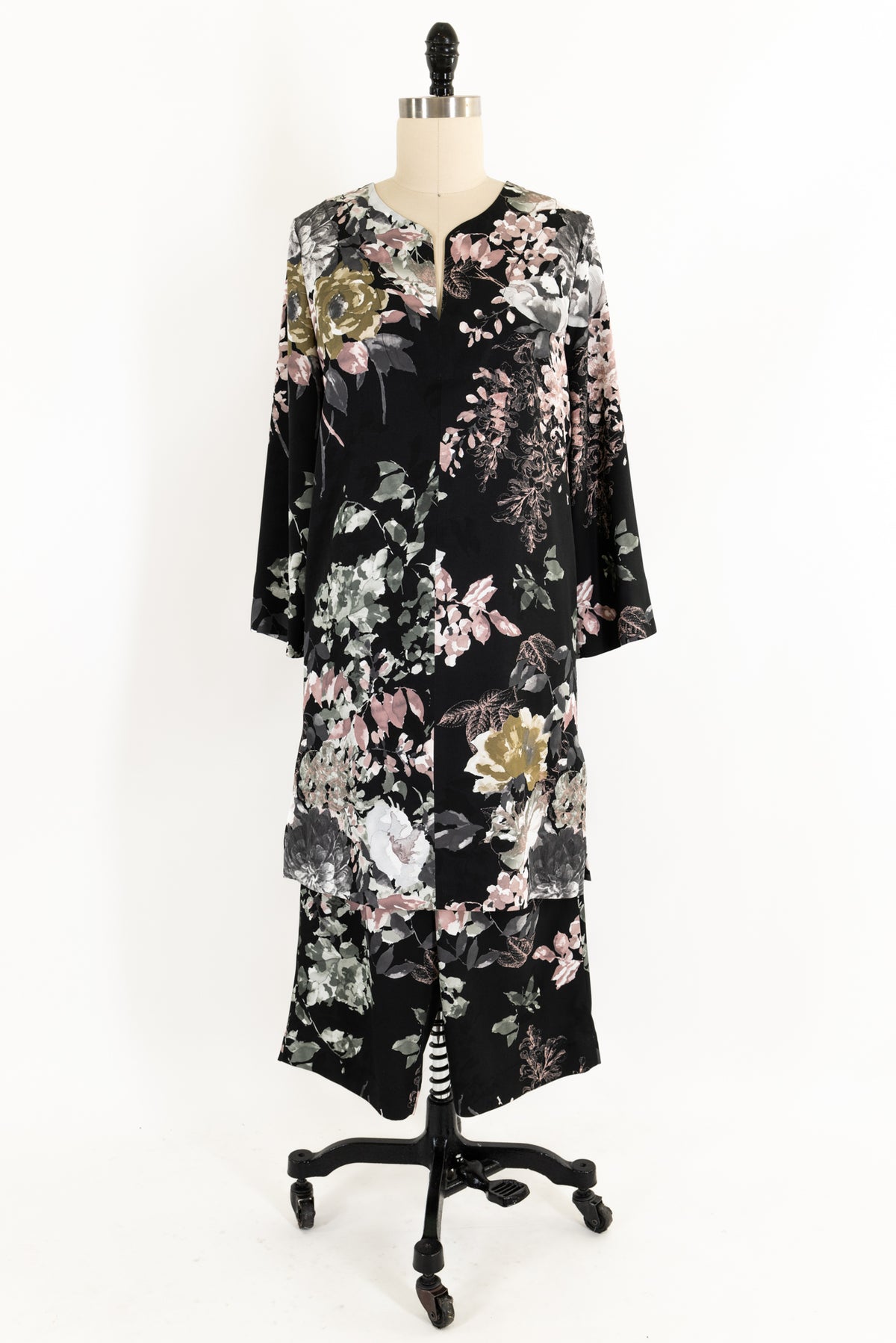
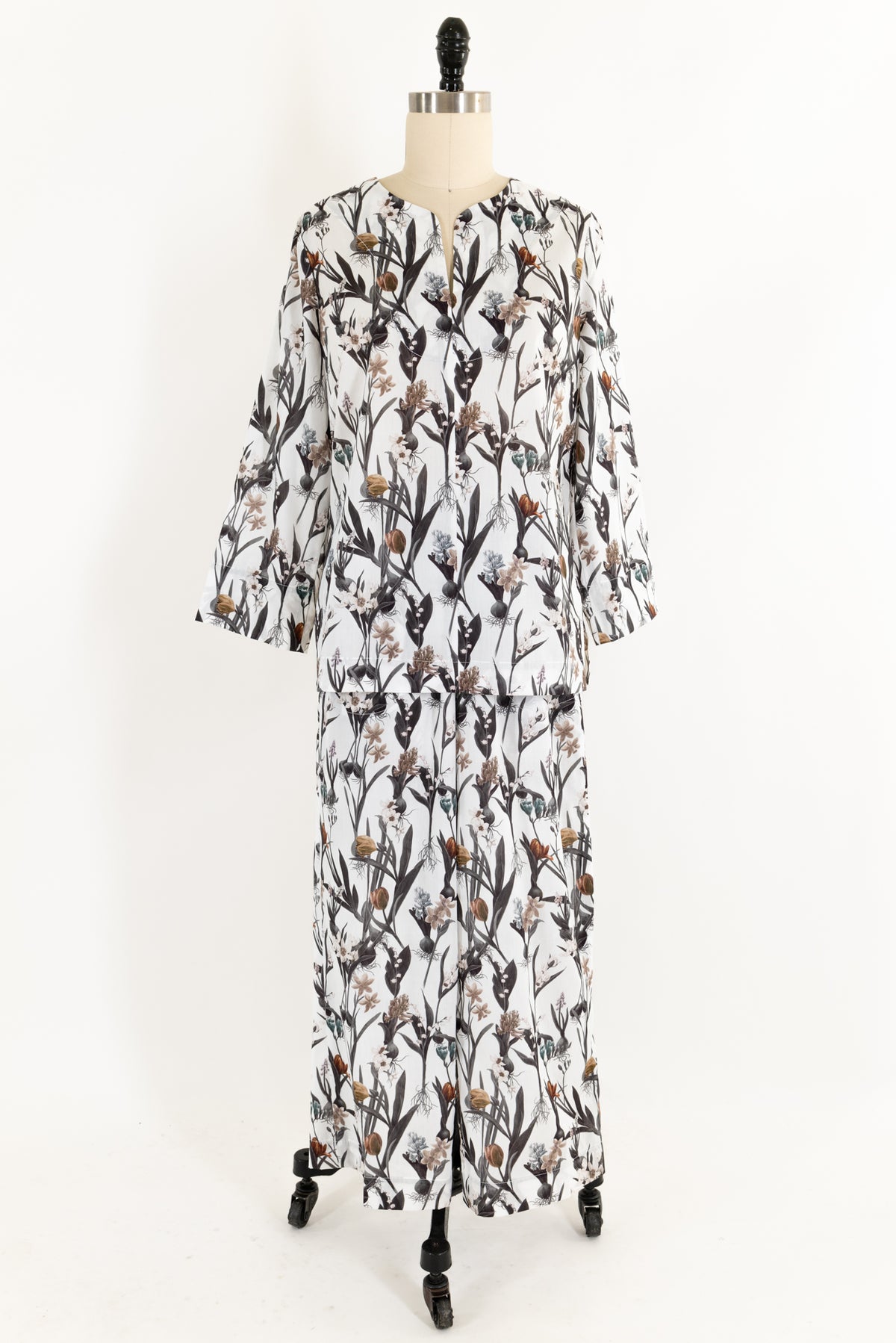
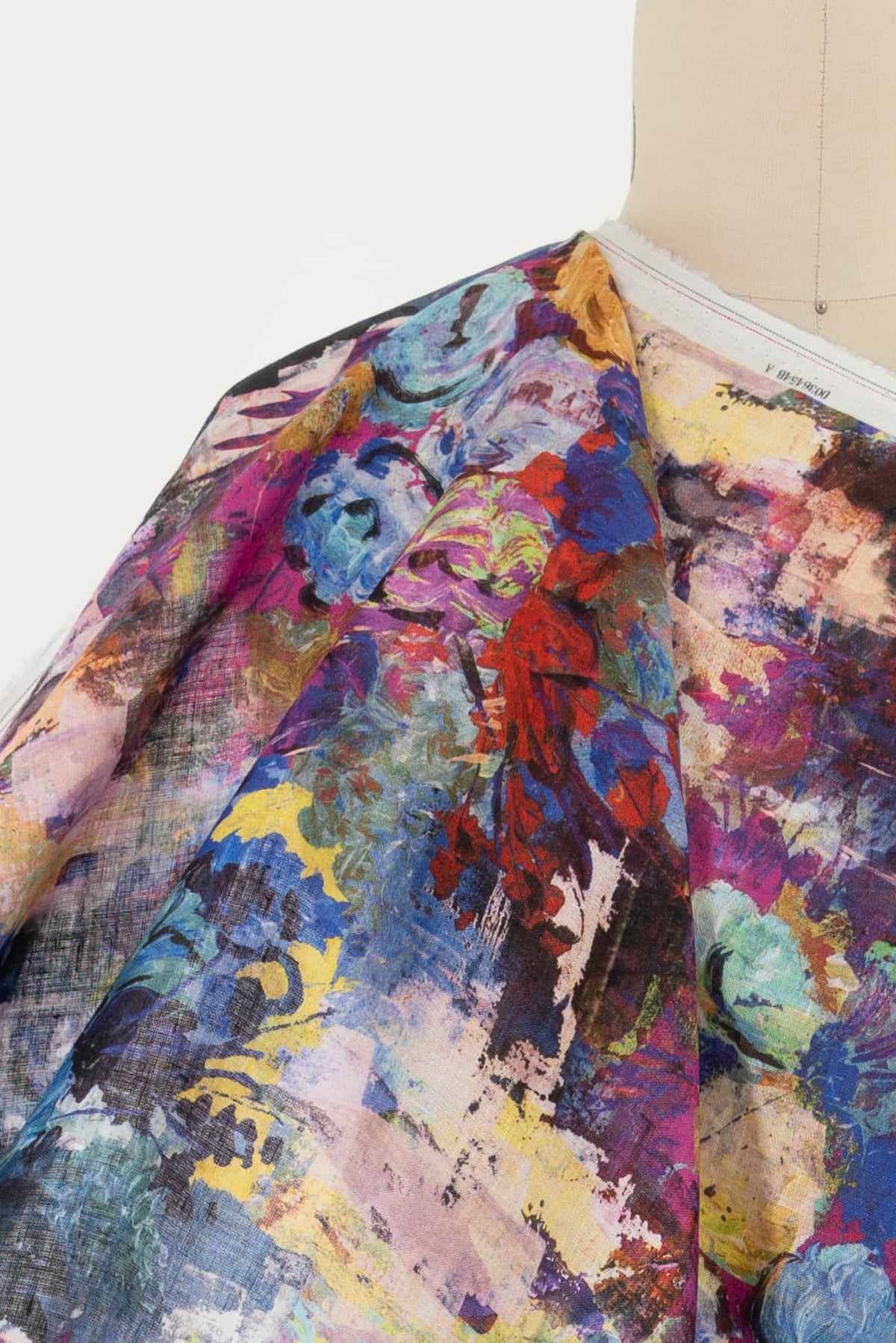
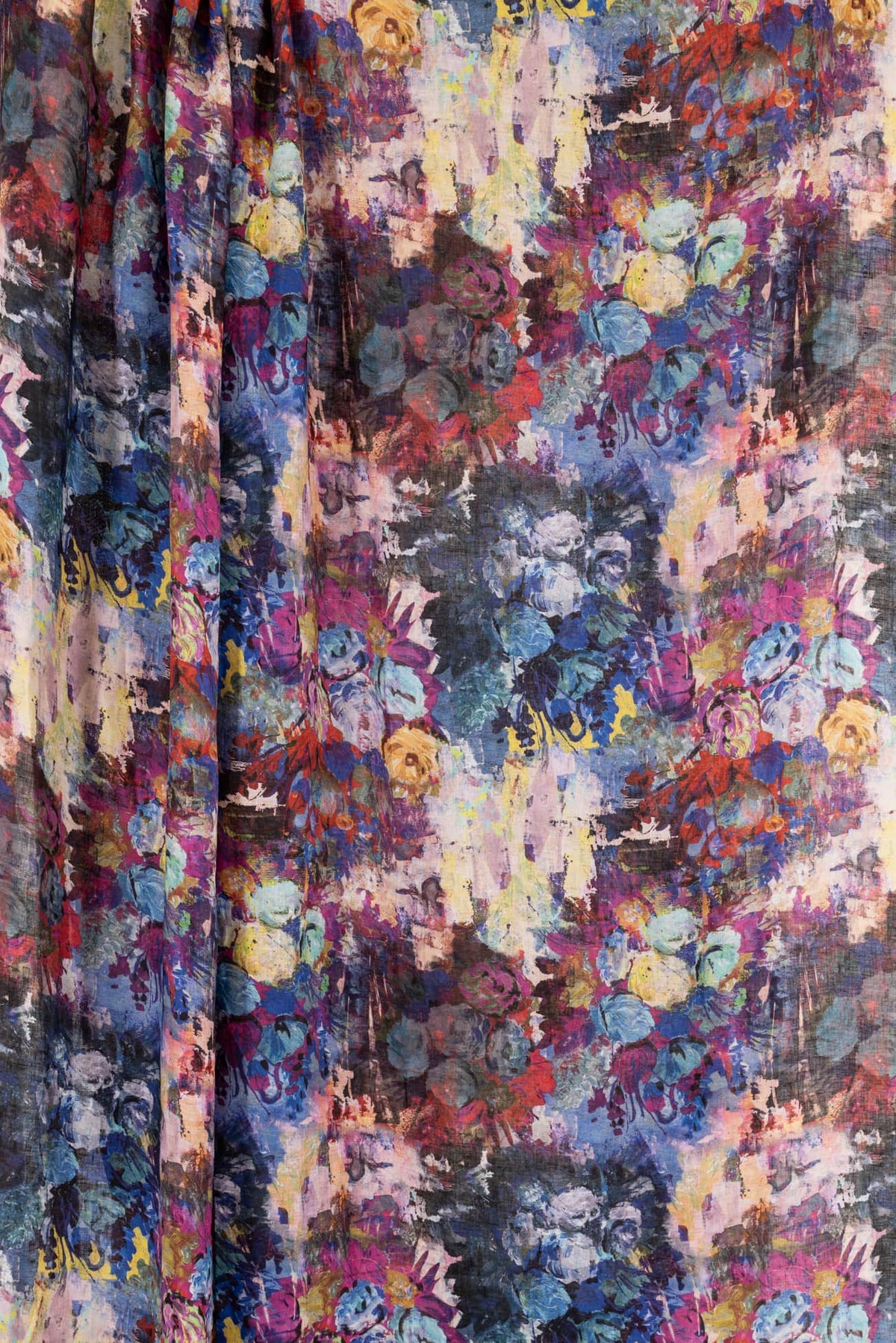
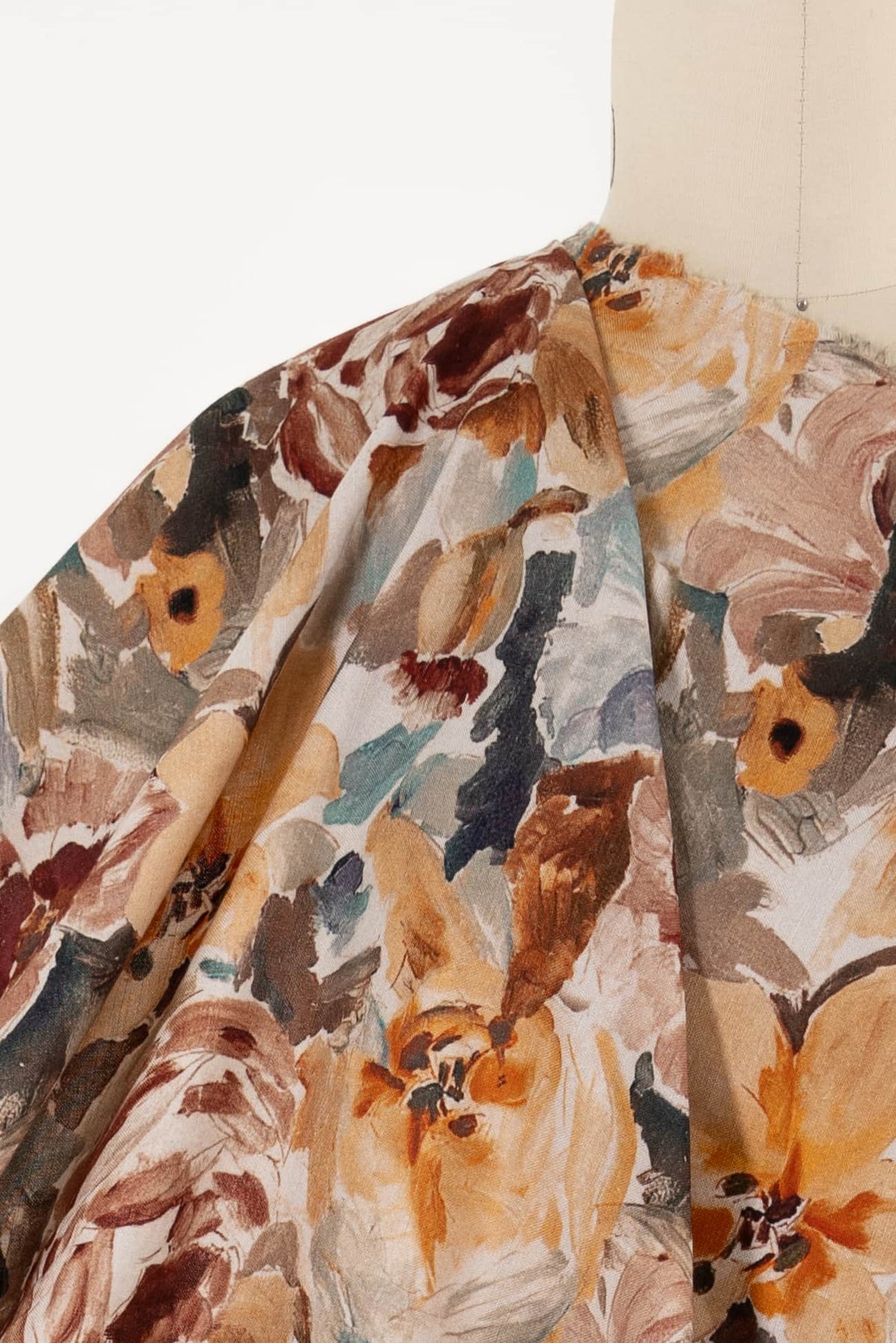
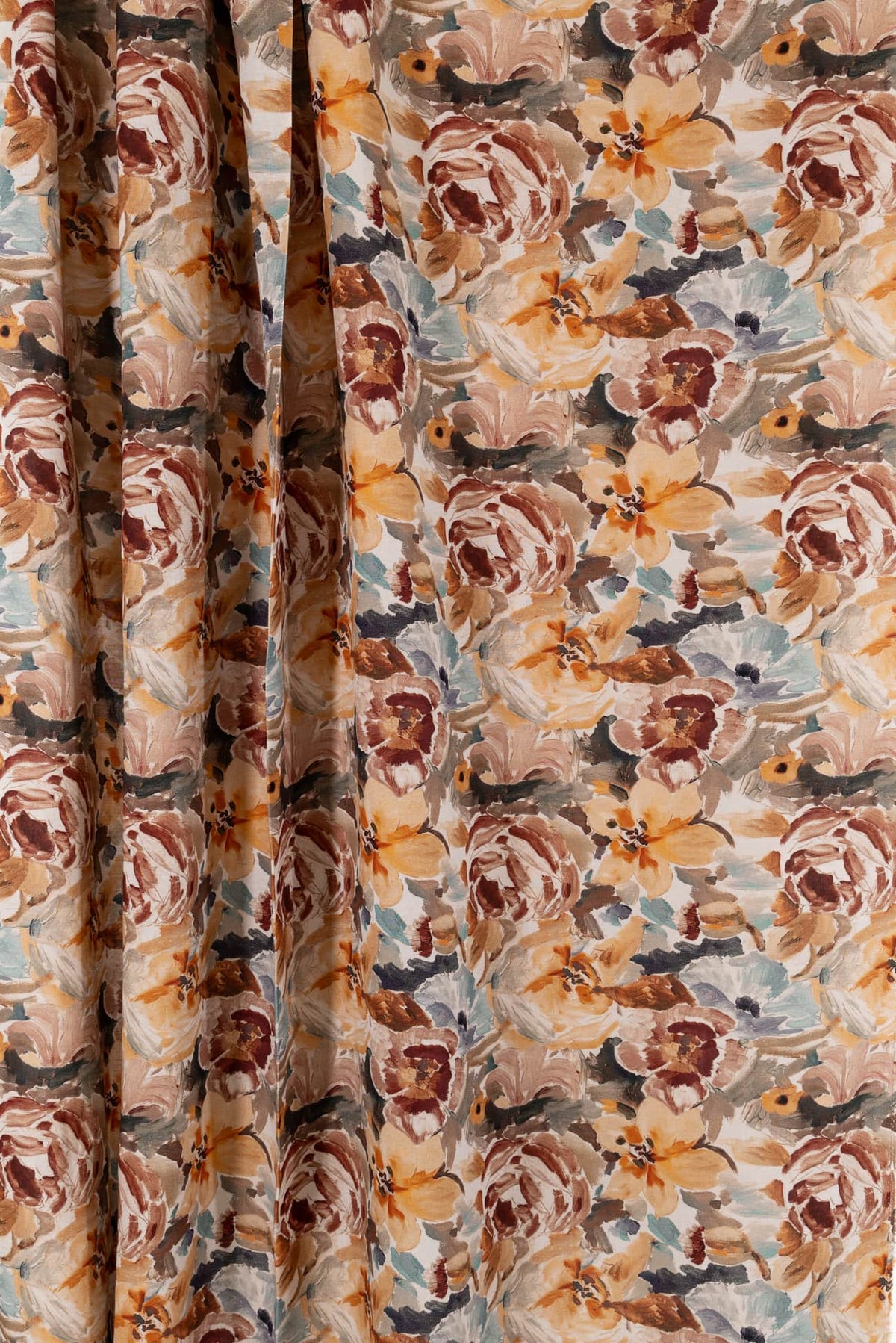
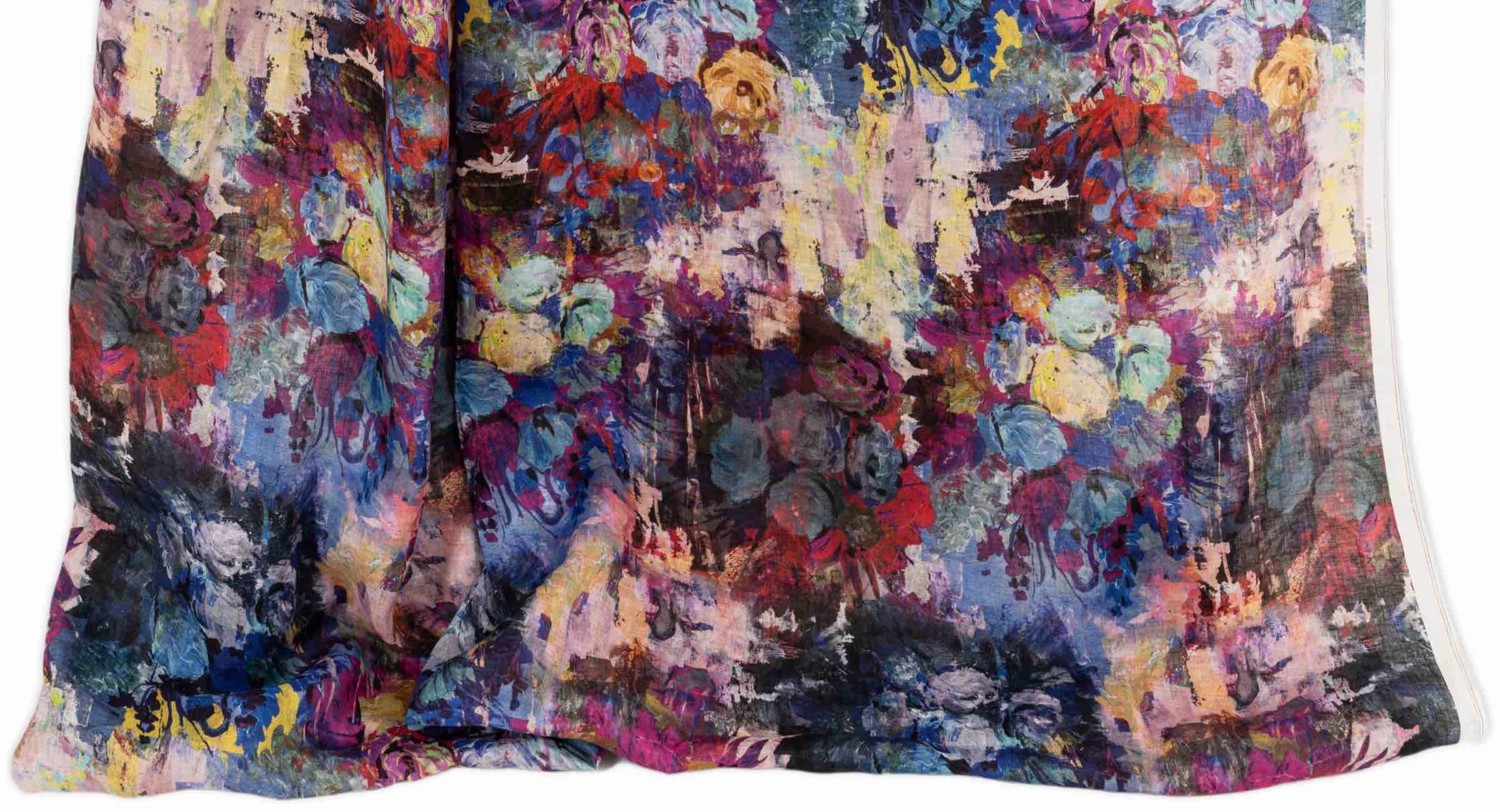
We saw magnificent BIG mostly floral digital prints used all over the place. These are always rendered in silk, mostly silk charmeuse & chiffon, and are expensive because of the printing process. I asked one of my suppliers why they do not do these in fine cottons and he said that they only want to do them in silk because the final cost per yard would be the same.
I'm visioning these in soft sheer shirts, tops and dresses. A simple slightly oversized shirt or tunic is a good place to begin to utilize the beautiful fabric and practical to wear over a solid color tank and pant or skirt, keeping the sewing easy and kicking back the look to wear for dressed or casual occasions. | |
|
|  |  |  | |
|
| | Elfriede: day 1
One of my design gurus and ever an inspiration, Elfreide, owner of Elfriede's Fine Fabrics in Boulder, Colorado always wears something hand sewn and stunning. Here she is wearing a wool and lace jacket using the Koos Van Den Akker pattern, Vogue 1277 ....she used only the lining pattern pieces for this simple and stunning piece.
DO check out Elfrieda's Fine Fabrics website for very cool Sewing Secrets and more. Click on the hotlink above. |
| Elfriede day 2
Here wearing the new Anne Klein jacket, Vogue 1264 in a Japanese cotton mixed with silk dupioni. ....and 'check the lining!' she told me. Then Elfrieda showed me the detail on her silk velvet scarf: subtle images of horses done in dye discharge to honor her horse and made for her by her employees. | | |
| |
| | Friday, March 16, 2012
The Little Black Cardi....
I'm a cardi girl. Whether I buy or make it, I know that if I add a little black cardi to my wardrobe each season, it will be worn again and again.
Here is an example. When I made the samples for the pattern envelope for my latest release Vogue 8795, I had done one of the prototypes for myself in a wonderful lightweight black Ponte. I nearly did not send it off...the lead time between when I make the samples & write the instructions is nearly a year. I called the design director at Vogue and asked her if I should send it even though the size was different from the other samples. 'Yes' she replied, 'We'll make it work.' So I sent it, and then for months missed it a lot. A lot!
Now it is back in my closet and is a perfect layering piece. The style is simple but very flattering to many different shapes and figures.
The ideal fabric for this style or any other spring cardi is our Posh light weight ponte from St. John's knits. I simply can't say enough about this marvelous fabric, am also using it for a little T to wear right now, and for a tank to layer underneath the cardi when the weather warms up. It would also make an ideal little black dress. The quality is superb, is a saturated black, and I know that whenever I find fabric from this source they are having it made to their specifications and it is the best of the best.
Shown below as I'll wear it in Las Vegas next week....Katherine and I are off on a fabric buying adventure.
| | Link to POSH | | | Tutorial on shortening a separating zipper
If you use a separating zipper for this or another top, it can be challenging to find the right length, but it is super easy to shorten a too-long zip from the top. I've re-posted the tutorial at the link above. | | | | | As I'm wearing it right now. I found the hook and eye tape at a great fabric store, Fabric of Vision, in Ashland, Oregon. |
| | | |
|
|  |  |  | | | Posh Light Weight Designer Ponte | |
|
|
|
| |
| | Tuesday, March 13, 2012
New Silk Screen Collection: Text-O
We're excited about our new collection of quirky and appealing silk screens that reflect the graphic appeal of the printed letter/word/number.
|
| | Some ideas for using them. Shown here, Katherine's design flags, but you get the idea of how these designs can be combined.... |
| |
| Saturday, March 10, 2012
The X Factor: Preparing Fabrics for Cutting, Sewing, Wearing | | |
With most of the fabrics I work with, the process is simple. Toss the fabric in the washing machine (on gentle if there is ANY question at all that it might distort), then toss in the dryer. See below for the safest way to test a fabric's washability. Once the garment is sewn, machine wash gentle or hand launder and air dry. Avoid using the dryer as it will wear things out more than wearing.
This week I've gotten a couple of calls from customers who bought our 'shrink-dink' fabrics and had different results than we did. I tested all 3 colors, and while the rate of shrinkage was slightly different with each, it was pretty consistent. But my friend Carol and a couple of other people had different results.....their fabrics shrank alarmingly (a LOT). This fabric is wool knit on the back side and cotton knit on the face side, so the wool shrinks more than the cotton causing it to pucker. If it puckers just a bit, it retains its drape, if it puckers a lot it becomes more stiff....like a crinkled boiled wool.
The X factor is the washing machine (and perhaps the temperature). More agitation + hot water wash followed by more agitation + cold water rinse can cause a great degree of felting/shrinkage. .....the classic way to 'felt' wool is to first immerse/plunge in HOT water, followed by a rinse/plunge in COLD water.
I do the photography for the website in my kitchen, close to the washer/dryer, so it is easy to test a fabric to see what the results will be. I was startled and pleased by the results on the 'shrink-dink' knits. Shelley took some home and had similar pleasing results.
So....if you have purchased some of this fabric, make a test as shown below to make sure you like the results. Keep checking what is happening by taking the piece out of the washer/dryer at intervals. | | Test...... | Cut a strip about 4" wide ... too narrow and the sample can roll up or fray and you won't get an accurate result.
The fabric shown has an unusual fiber content and construction....the base fabric is a cotton knit, and the colored yarns are probably a wool blend, and are mechanically dry felted into the base fabric in a process similar to the needle felting that can be done by hand. I wanted to see what would happen when it was laundered. |
| | | |
|
|  |  |  | Test.... | Then, cut the sample piece in half so you have two rectangles, both the same size.
Machine wash...use common sense to determine the cycle and temperature. |
| |
|
|  |  |  | Test... | After washing on a delicate/gentle cycle (with a bit of detergent), I put one sample strip in the dryer and hung the other to air dry.
The sample from the dryer shrank a bit...the base fabric shrank causing very slight puckering but the yarns on the face did not change or become loosened.
The air dried sample remained unchanged, though it may have shrunk a small amount.
SO....before cutting, I would launder the yardage on gentle and air dry, and would do the same with a finished garment. |
| | | |
|
|
|
| |
| | |
|
|
|